Counting Storeys: defining Higher Risk Buildings under the Building Safety Act 2022


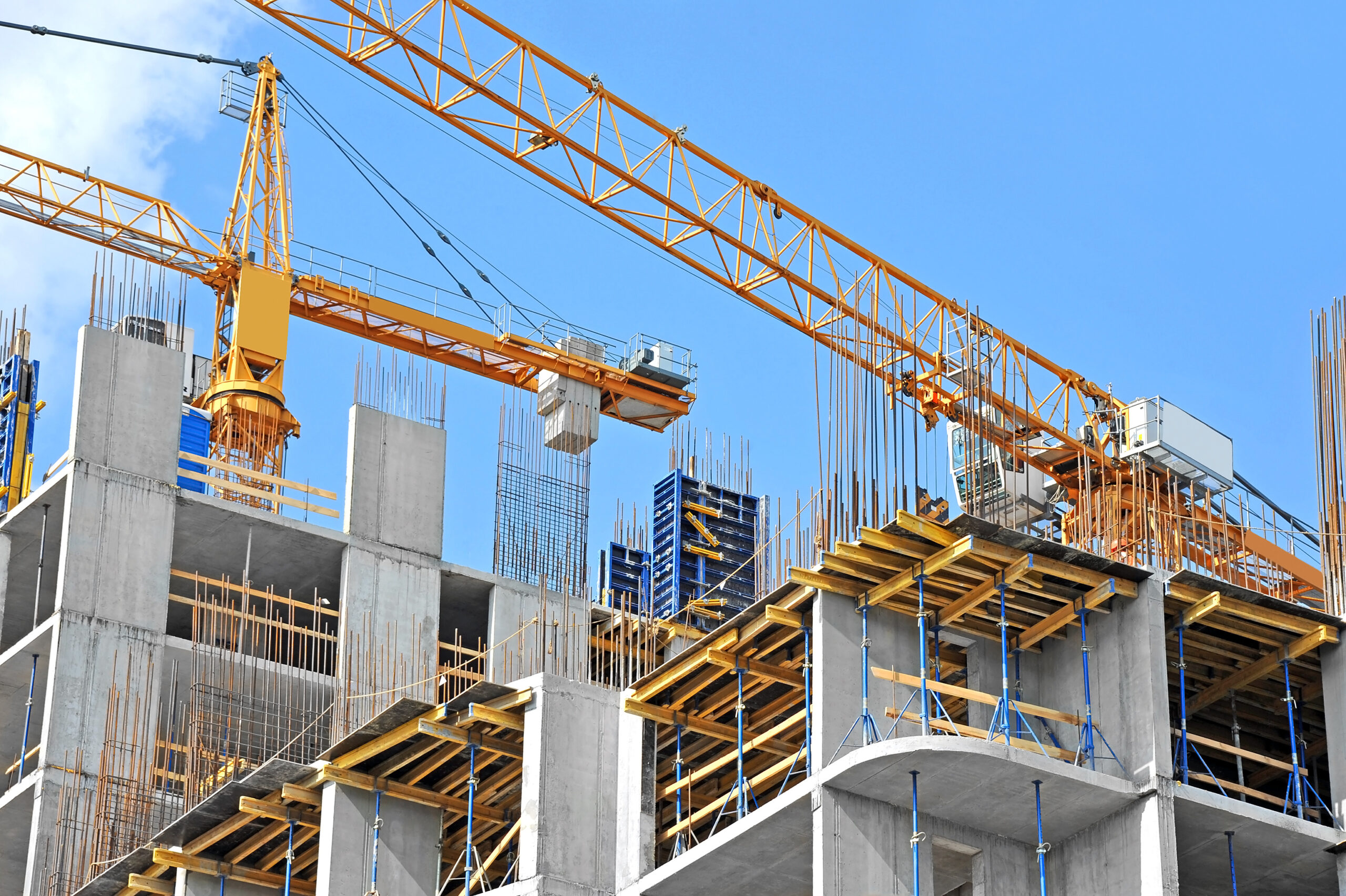
The introduction of the Building Safety Act 2022 saw broad changes to the building safety regime in England, most notably applying to higher-risk buildings. Higher-risk buildings are generally defined by both their height and use, including buildings that are at least 18 metres in height or have at least 7 storeys, and contain at least two residential units (subject to certain exceptions).
A building is only required to meet the height or the storey threshold for the higher-risk buildings regime to apply. For example, if a building is 7 storeys, it does not need to be 18 metres in height.
Given the definition based upon height or storeys, it is crucial to understand how to measure a building to know if it is going to be within the scope of the higher-risk building regime – particularly as this is a common area for misconceptions. The Higher-Risk Buildings Regulations 2023 (the ‘Regulations’) provide key details regarding how buildings are to be measured for the purpose of the Building Safety Act.
How to measure building height
The Regulations state that the height of a building is to be measured from ground level to the top floor surface of the top of a building.
Any storey that consists of exclusively roof-top plant machinery is ignored for the purposes of this definition.
How to count storeys
In counting the number of storeys in a building for the purposes of the higher-risk buildings regime, a number of factors can be disregarded. This includes:
- Any roof-top machinery (similarly to the height measurement)
- Basements if any part of the finished surface of the ceiling is below the ground level immediately adjacent to that part of the building. Therefore, lower ground floors only need to be counted as storeys if the whole of the finished surface of the ceiling is above the ground level.
- Any galleries or mezzanines which extend for less than 50% of the internal floor area of the largest storey above or below the gallery floor (not including any storeys below ground). Any gallery or mezzanine which extends for 50% or more will be counted as a separate story for the higher-risk buildings regime.
Troubleshooting common High Risk Building problems
Mixed-use buildings
Sometimes, a ‘building’ for the purposes of the higher-risk buildings regime is an independent section within a wider building, for example, where there is an independent commercial unit beneath a group of flats with their own entrance.
In relation to the height criteria, because the higher-risk buildings rules require that the building is measured from the ground level, the non-residential floors below will have to be included in the measurement of the building height.
However, when it comes to measuring storeys, it is only the storey directly beneath the building will be counted as a storey for the higher-risk buildings.
This does not necessarily mean that the requirements for higher-risk buildings will apply to any non-residential floors below, but it means that they do apply to the residential sections above.
Buildings on uneven ground
Where buildings sit on uneven ground, the height must be measured from the lowest part of the ground that is directly adjacent to the building.
Storeys should be counted from the first storey above ground, being the first storey where no part of its finished ceiling is below ground level.
If the building is considered an independent section on uneven ground, the height should be measured from the lowest surface of the ground which touches that independent section.
Rooftop gardens and terraces
Government guidance states that open rooftops, for example rooftop gardens, should not be included when measuring the height of a building for the purposes of the higher-risk buildings. It also states that, “a storey must be fully enclosed to be considered a storey.
This means that the building should be measured to the top of the floor surface of the top storey that is not exclusively open rooftop or rooftop machinery.
However, recent case law of the First-Tier Tribunal Property Chamber has interpreted that rooftop gardens should be included, because the relevant consideration for whether the higher-risk buildings regime applies is whether the area in question is one where people may be located in the event of a fire. That case has since been subject to criticism by the Upper Tribunal (Land Chamber), who held the FTT exceeded its authority and gave an improper opinion in this regard. For now, the government guidance remains that rooftop gardens are not considered a storey. This again emphasises the ongoing uncertainty surrounding higher risk buildings legislation and the importance of seeking early legal advice.
Conclusion
The introduction of the BSA and Higher-Risk Building Regulations is important to consider for any developers whose buildings may fall into the height and use definition, to avoid any potential claims. This is an evolving regime, which may be further updated following the phase 2 report of The Grenfell Tower Inquiry. However, we are seeing a number of common misconceptions as to how height and storeys should be measured (sometimes leading to an assumption that a building is a higher-risk building when it is not). It is always worth revisiting the technical guidance when assessing a building, particularly if it has any unusual factors.
For further advice on the BSA 2022, contact our construction dispute resolution team today.
___________________________________________________________________________________________
Disclaimer
This information is intended for general informational purposes only and does not constitute legal advice. We recommend seeking professional advice before taking any action on the information provided. If you would like to discuss your specific circumstances, please feel free to contact us on 0800 2800 421.
This article is for information only and does not constitute legal advice. We recommend seeking professional advice before taking any action on the information provided. If you would like to discuss your specific circumstances, please feel free to contact us on 0800 2800 421.