Subtle brain injury claims – a hidden disability
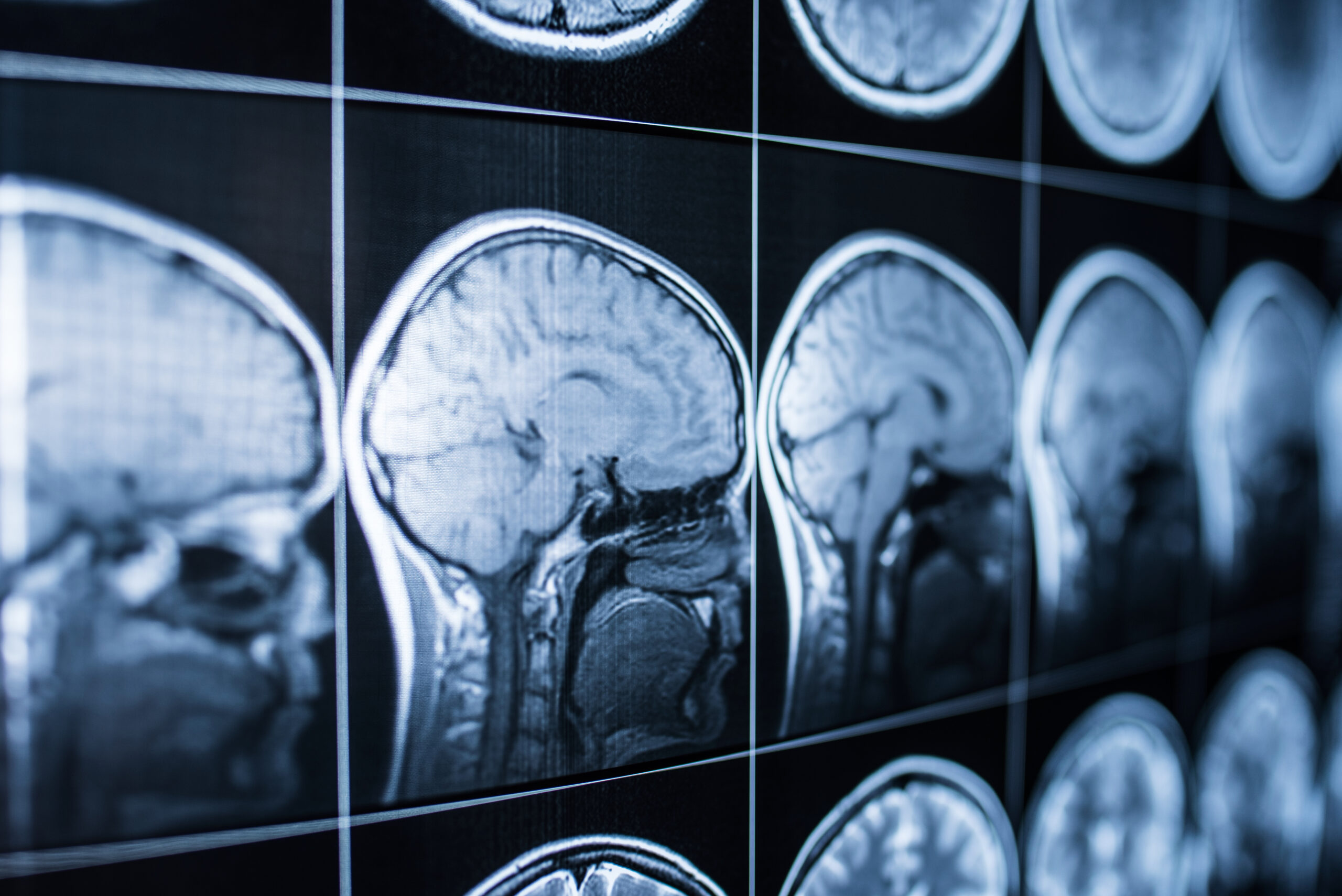
An acquired brain injury (ABI) occurs when the brain sustains damage after birth, typically as a result of trauma or illness. Common causes include traumatic brain injury, brain tumours and meningitis among others. The effects of an ABI can be wide-ranging, impacting physical abilities, emotional wellbeing, cognitive functions such as thinking and processing of information, and behaviour. The ‘hidden’ nature of these effects create significant challenges for both survivors and their families, and the lack of physical symptoms can often lead to insufficient support and problems with diagnosis.
Research from Headway (The Brain Injury Associated) shows that more than half (55%) of brain injury survivors feel they have been unfairly treated as a direct consequence of their brain injury being hidden; with a further 86% of people affected by brain injury (survivor and carers) feeling that the lack of understanding from society is one of the main challenges to living life with a hidden disability.
Understanding hidden brain injuries is crucial for both those living with them and the people around them. Greater awareness helps ensure that individuals receive improved support and understanding from family, friends and employers whilst helping to reduce the stigma and misconceptions of individuals living with a brain injury.
A Hidden Disability
The hidden effects of brain injury are varied and are not limited to the direct impact of an injury itself; rather, there are a myriad of wide-reaching consequences on many different aspects of their life, which often others cannot see or comprehend.
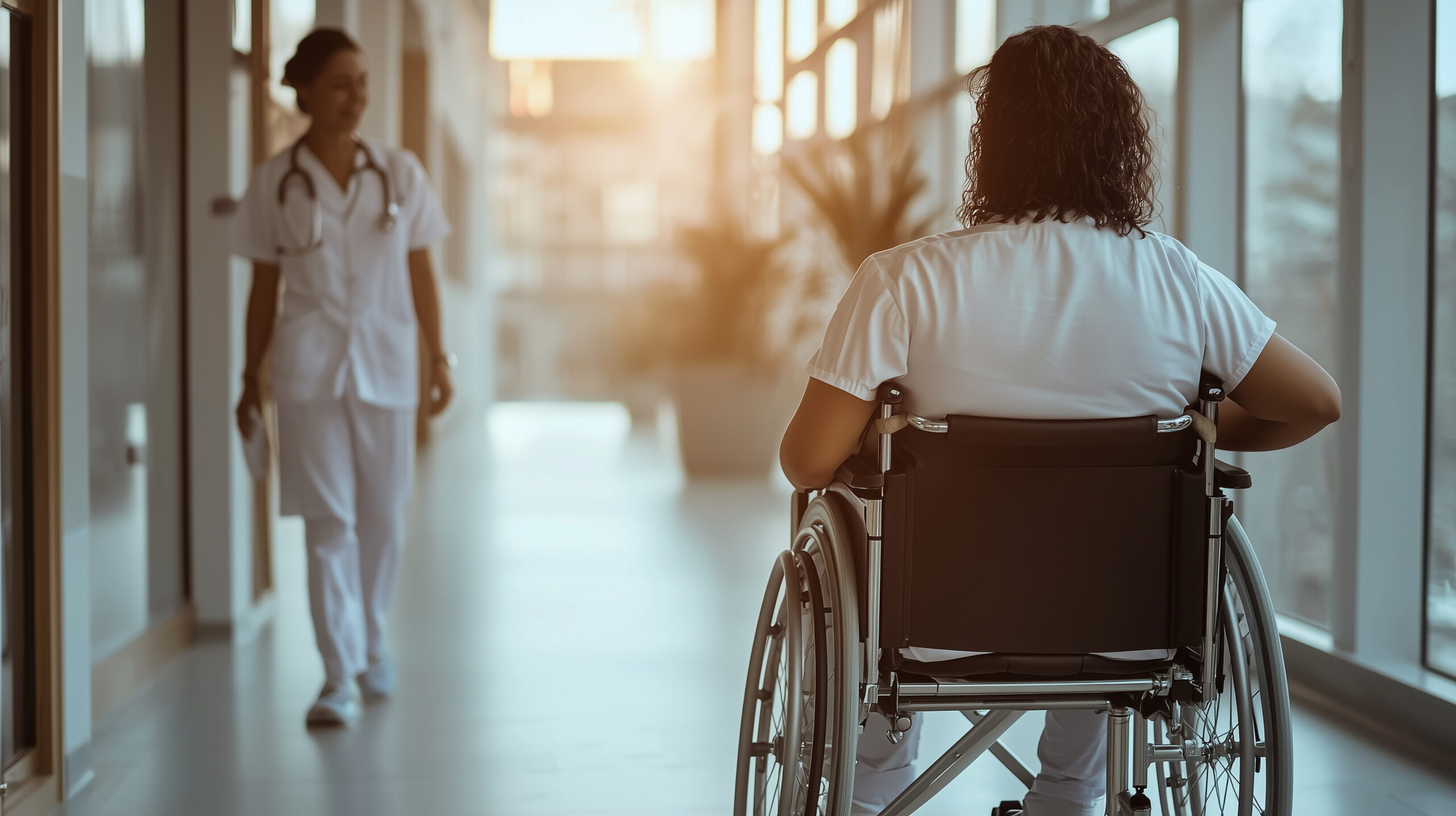
- Lack of physical markers: unlike disabilities that require assistive devices such as wheelchairs, survivors of an ABI may appear physically ‘fine’; however, this outward appearance often masks the reality of ongoing challenges and can lead to a lack of understanding in the community. Survivors of an ABI will regularly experience the ongoing effects such as chronic fatigue, persistent headaches, memory loss, problems controlling anger, and attention / concentration problems, all of which have a profound impact on their daily life, employment and relationships.
- Fluctuating nature of symptoms: individuals living with a brain injury are regularly challenged by the unpredictable nature of their symptoms. Those living with a brain injury may be able to complete a task with ease one day, only to find it extremely difficult the next. This inconsistency can be confusing for employers, colleagues, friends, and even family members, often leading to scepticism about the severity or legitimacy of the condition. As a result, this variability can make it harder for those individuals to maintain employment, manage daily responsibilities, or access appropriate support.
- Communication difficulties:for many brain injury survivors, communication can be a significant barrier to accessing support and understanding. Damage to certain areas of the brain can impair language skills, making it harder to find the right words, follow conversations, or express complex thoughts. Even when speech remains intact, cognitive fatigue or slowed processing can make communication challenging in fast-paced or stressful situations.
- Difficulty maintaining personal and professional relationships:due to the variability of symptoms, individuals living with a brain injury can often face a significant impact on both their personal and professional relationships. Frequently, friends, family members and colleagues can misinterpret these symptoms as disinterest, lack of effort, or even personality changes, which can lead to frustration and a breakdown in communication.
Impact on Legal and Claims Process
- Difficulty providing accurate information:brain injuries often impair an individual’s memory, concentration and communication skills, resulting in difficulties recalling key details about the incident or articulating the ongoing impact of their condition. This can make it challenging for the individual to provide consistent statements and evidence, which are critical in any personal injury or clinical negligence claim; however, with the assistance of specialist legal support, solicitors are able to present the case in a way that accurately reflects the individual’s reality of living with a brain injury.
- Capacity and the need for a Litigation Friend: In severe cases, a brain injury can affect an individual’s capacity to manage their own claim and, therefore, this can necessitate the appointment of a Litigation Friend to act on their behalf. The role of a Litigation Friend is to act in the best interests of the injured person and ensuring that everything they do is communicated with them in order to understand their wishes and feelings. There may also need to be input from the Court of Protection in appointing a Deputy to manage the person’s damages on their behalf, if they lack capacity to do this themselves.
- Risk of Epilepsy and Dementia: whilst risk correlates with the severity of the brain injury, even a ‘subtle’ brain injury can trigger post-traumatic seizures and late-onset epilepsy months later. Individuals who develop post-traumatic epilepsy are at an increased risk of developing dementia, which is why it is vital for early detection and management to potentially slow cognitive decline.
- Valuation of the claim:legal professionals experienced in brain injury claims understand that even ‘subtle’ injuries can have life-changing effects, including a long-term impact on an individual’s ability to work, function independently, provide support around the family home and look after children and pets. All of these factors can significantly impact the overall valuation of a claim and work with a variety of medical experts (including neurologists and neuropsychologists), accountancy experts or vocational specialists will be required to build a comprehensive picture of the overall impact of the injury. With a thorough and well-supported valuation, brain injury specialist legal professionals can ensure that the individual receives fair compensation to meet their current and future needs.
- The need for a Personal Injury Trust: following settlement of a significant claim, compensation can be counted as capital, which can potentially disqualify individuals from receiving benefits such a Universal Credit or Housing Benefits. As such, a Personal Injury Trust legally shelters these funds from benefit assessments, whilst ensuring access to the funds to support any ongoing care or treatment needs. The Department for Work and Pensions offer a 52-week grace period after receipt of compensation, during which the funds are ignored for benefit purposes. To retain this advantage, the Personal Injury Trust must be legally established within this window.
How Trethowans Can Help
If you or a loved one has experienced an acquired brain injury and are considering a brain injury claim, early intervention is key to achieving the best outcome. At Trethowans, our expert Personal Injury Solicitors are here to guide you through every step of the claims process, secure rehabilitation support, and ensure you receive the compensation you deserve. Our team have a wealth of experience dealing with both subtle and severe acquired brain injury claims. Trethowans are accredited with Headway (The Brain Injury Association), who are a UK-based charity that work to improve life after brain injury by providing vital support and information services, and also a member of the Brain Injury Group, who provide wholistic support for brain injured individuals and their families.
Recently, Trethowans secured a significant six-figure sum for a client who sustained a significant brain injury following a Road Traffic Accident whereby his pushbike was hit by an oncoming vehicle. Not only did the client sustain a moderate-severe traumatic brain injury, but he also sustained various facial / cranial fractures, 10 rib fractures, various fractures to his left hand as well as carpal tunnel syndrome, soft tissue injuries to his left shoulder and right knee, a lacerated spleen and left lung pulmonary contusions, ophthalmic injuries, left sided tinnitus and hyperacusis and psychiatric injuries. You can read more about this and other brain injury claims Trethowans have successfully settled by clicking the link: Brain and Head Injury Solicitors – London, Dorset, Hampshire, Wiltshire.
Here at Trethowans, we understand the nuances of subtle acquired brain injuries and are committed to working with victims and their families to improve their lives. Contact our Personal Injury Team today to discuss your options and start your journey toward recovery and independence.